 In our second cycle for 2020, we dialogue with Charles Ringma’s book “Finding Naasicaa” (2007) and ask:
When religious words are exhausted, yet we’re anxious for real hope,
how do we share the wonder of our world reborn when centred on Christ?
It’s a no-holds barred exploration facing doubt head on, and discerning what good news of God’s reign remains for a post-Christian generation prone to deconstruct dogmatic jargon, the transcendent, and empty optimism. Think Kesha’s Hymn for the Hymnless below, with lyrics here. (Share page: https://padlet.com/david_benson/OpenBook.)
In a post-Christendom world, young people continue to be vitally interested in matters of spirituality and justice, despite their lack of engagement with the Christian faith and church. This situation calls for new forms of communication and a reconsideration of the claims of the Christian faith. This book for searching minds does just this. A series of letters written by theologian Charles Ringma to his 19-year-old granddaughter, Finding Naasicaa addresses ultimate issues of life, faith, spirituality and social transformation accessibly, unpretentiously and winsomely.
 As Charles writes, this book is dedicated to “a new generation: bearers of hope for a newer tomorrow; a past generation of parents: whose spiritual faith fractured with the collapse of Christendom; and an older generation of grandparents: whose life is marked by anxious prayer.”
So, join us virtually at 6:55pm for a 7:00pm start, as we fuse liturgy that satisfies all five senses, rich book discussion, and transformative practices to live what you read.
(Shut out with Corona? Join us virtually direct zoom link here (or via https://zoom.us/join with Meeting ID 333262992 and Password = openbook.)
+++Delving Deeper+++

If you’d like to research more deeply the themes this book brings up, check out the following:
- For broad generational analysis, tilted towards emerging adults (Gen Z), see White (2017), Twenge (2017: iGen), Barna (2018: Gen Z) and McCrindle (2014: ABC of XYZ).
- On the exodus of young people from the church, both in the west more broadly, and Australia more specifically, see the Malyon College Alumni forum on “Where have all the young people gone,” drawing in key reports from
- Australia’s Generation Z Research and Report (2019; web)
- Barna/World Vision “Connected Generation” + Supporting Insights/Extra (2019; web), building on Kinnaman (2016: You Lost Me)
- Lewis (2015) and Cronshaw, Lewis and Wilson (2016) on ‘Hemorrhaging Faith’
- For a taste of the mental health/anxiety epidemic facing the emerging generations, check out the Mission Australia Youth Survey, especially the Report and Infographic for their 2012-2018 Mental Health Report.
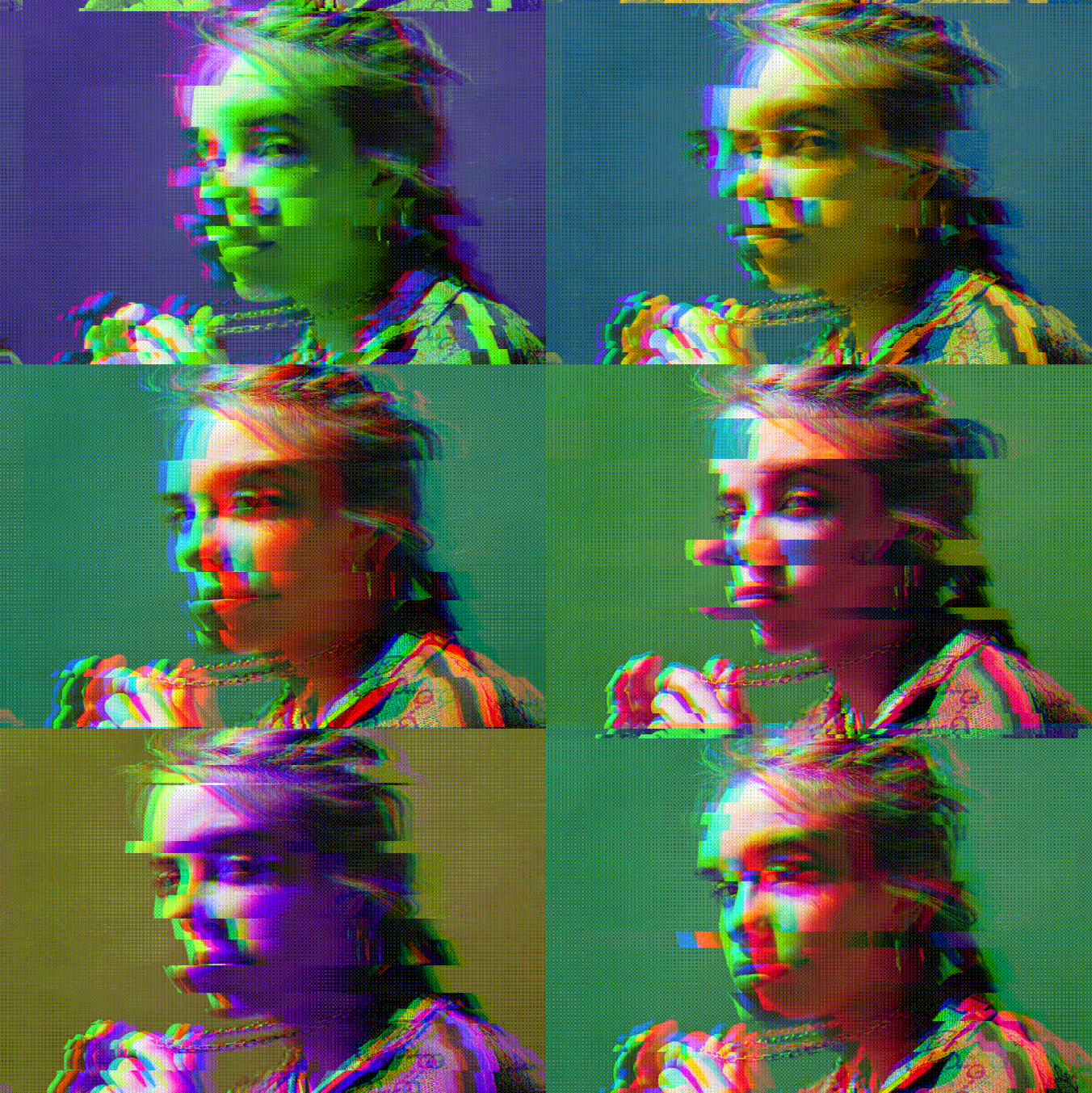
- This angst and alienation is on show in the music of Billie Eilish, insightfully written about here and here
 On the process of individuation from adolescence to becoming an (emerging) adult who owns their own faith critically, see Arnett (2004: Emerging Adulthood), Smith and Snell (2009: Souls in Transition), Lewis (2013: Individuation and Faith Development)
- For the kinds of healthy Christian communities able to bear the deconstruction of young adults without turfing them out or turning them away, see Lewis (2018) and the NEXT program, Kinnaman and Matlock (2018: Faith for Exiles + web), Powell (2011: Sticky Faith + web), and Powell, Mulder and Griffin (2016: Growing Young + web)
- On the importance of story to frame our exploration of faith in a non-coercive way, see Jamie Smith’s related chapter in his book, On the Road with Saint Augustine here
- For (less orthodox) attempts to deconstruct and reconstruct tired language for how we speak about God and frame the Christian faith, see Merritt (2018: Learning to Speak God from Scratch), Evans (2018: Inspired), Borg (2012: Speaking Christian), Bell (2013: What We Talk About When We Talk About God), McLaren (2010: A New Kind of Christianity), Rollins (2012: The Idolatry of God), and finally in a more orthodox key, Comer (2017: God Has a Name)

- On why art is such a potent force to speak to emerging generations, with image going where words can’t, see Noble and Cosper (2017), Noble (2018: Disruptive Witness), and on Christian persuasion more broadly, see Paterson (2019)
- For a range of ways to share the the old story of the gospel with fresh words and ways, see Benson (“Sign Course,” “Epic Story” resources + web + Suburban Seed Sowers April 9, 2020 podcast for sharing faith amidst Covid lockdown + video below), Chan (2018: Evangelism in a Skeptical World + “How to tell my story“), McLaughlin (2019: Confronting Christianity), Keller (2016: Making Sense of God), “Following the Ways” (Steve Gray 2020: Solution to Human Brokenness + Gratitude & Grace), #FallingPlates, Cross-Over Easter Resources (e.g., 2019: “The Other Story“), or for a more Reformed approach, see Matthias Media’s “Two Ways to Live” (demo video)
+++Key Details+++
Check out the calendar below for key dates, and pick up your paperback or kindle version. Until then, pdfs of each reading are linked.
On the odd chance Corona restrictions lift, here’s how it works for face-to-face gatherings … We have a soft-start from 6:45pm—feel free to rock up early and eat your dinner or share a cup of tea. At 7:10pm sharp we get into the night, finishing each night by 9pm with supper together and an unrushed chat over coffee. OPEN BOOK includes some basic spiritual practices and prayer, before unpacking the pre-reading scheduled for that night.
 For each week, it helps to think through how the reading provokes you in 4 ways:
1) Question: what didn’t make sense?
2) Challenge: what did you think was wrong?
3) Implication: what wisdom does this offer for being a holistic witness to a post-Christian generation?
4) Application: how might this help us share the good news of God’s reign?
OPEN BOOK, THURSDAYS 7PM | Ringma’s, Finding Naasicaa (FN) | Join us virtually direct zoom link here (or via https://zoom.us/join with Meeting ID 333262992 and Password = openbook) + Share page: https://padlet.com/david_benson/OpenBook
L1 An opening word for Naasicaa
L2 The world without and within
L3 Life’s meaning and uncertainty
L4 The doing of good and the persistence of evil
L5 The story of God and the human predicament
May 28 | FN II, pp. 60–110 (Letters 6–8)
L6 Faith and doubt in a perilous world
L7 The sign and contradiction of the community of faith
L8 Symbols and countersigns of spirituality
June 11 | FN III, pp. 111–161 (Letters 9–12)
L9 Themes of life and threads of decay
L10 Passion, commitment and disillusionment
L11 Gratitude, wonder, creativity and the dulling power of conformity
L12 Mending and bending
June 25 | FN IV, pp. 162–202 (Letters 13–17)
L13 Work and play in a world of inequality
L14 The reign of God and the human enterprise
L15 The Galilean prophet and the timeless Christ
L16 Time, finitude, death and the power of hope and transcendence
L17 Afterword




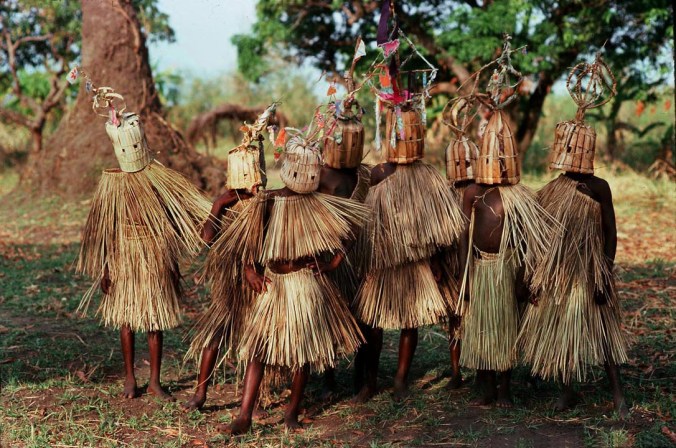
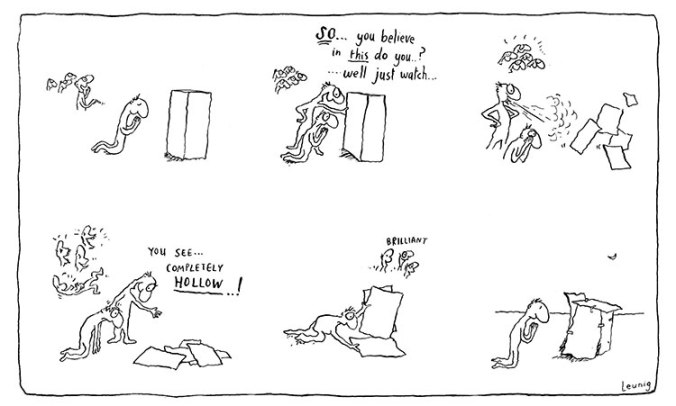

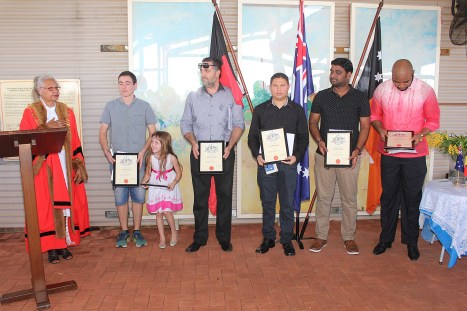
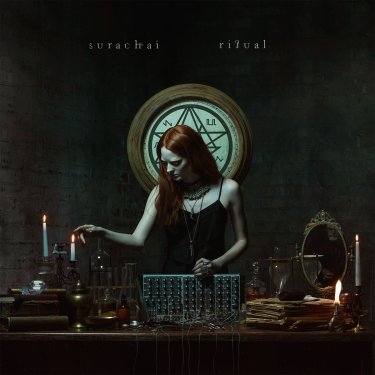
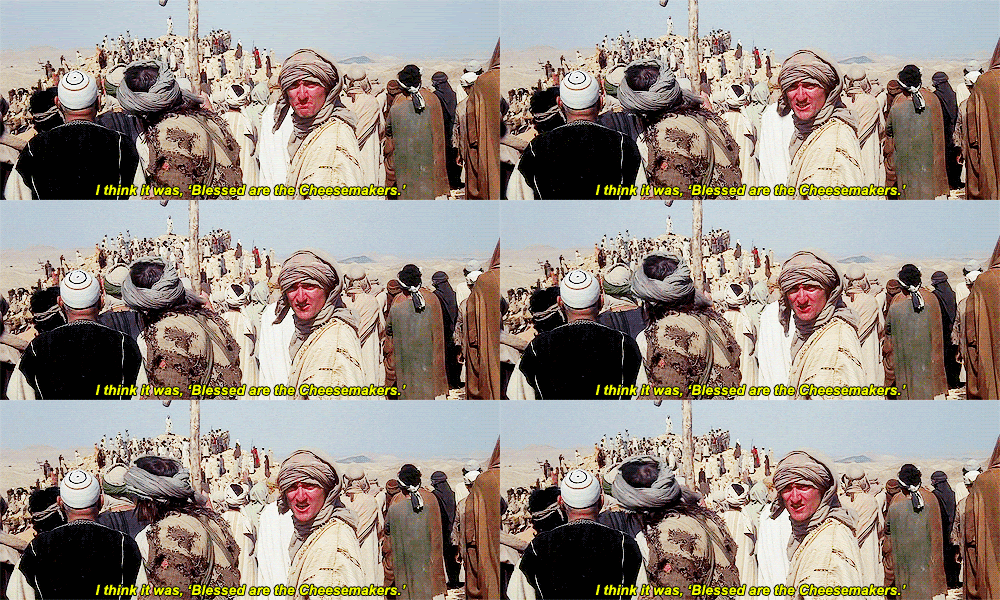
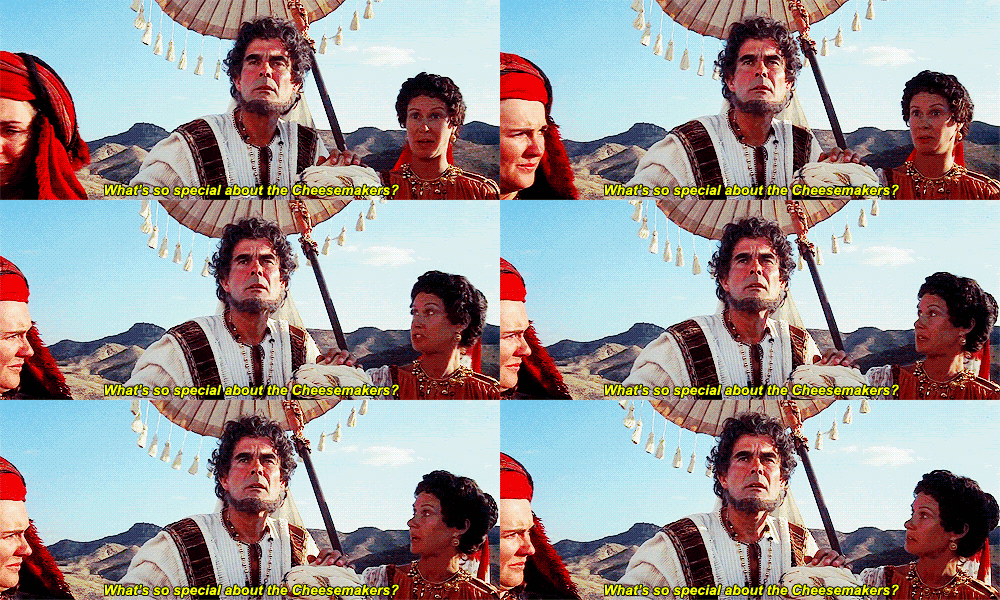 Juxtaposed with this reverence above, picture the Monty Python
  We wonder out loud, how is this different to a magic trick, a meaningless ritual best left in the dark ages? Pagan cultus and religious superstition apparently collide, both readily dismissed as pure ignorance in an enlightened era.
 And yet, sometimes growing up as individuals and as a culture means entering, in philosopher
  Perhaps we can get at the human aspect of ritual through the great Rafael Nadal, consummate tennis great and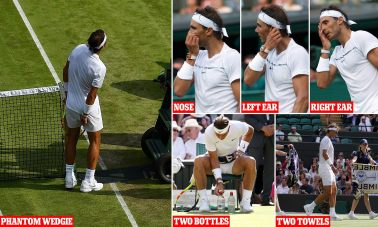
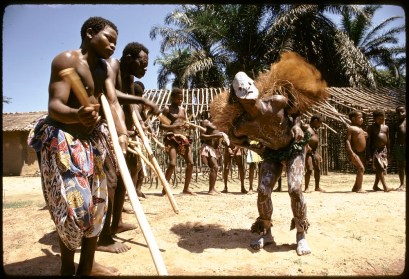 Anthropologists assure us that every culture across time draws on ritual: “a religious or solemn ceremony consisting of a series of actions performed according to a prescribed order.” Whether it’s for birth or death, coming-of-age or getting hitched, work or worship, we draw on rich symbolism and repetitive actions to form new habits that enshrine a particular identity and trace the contours of the cosmos.
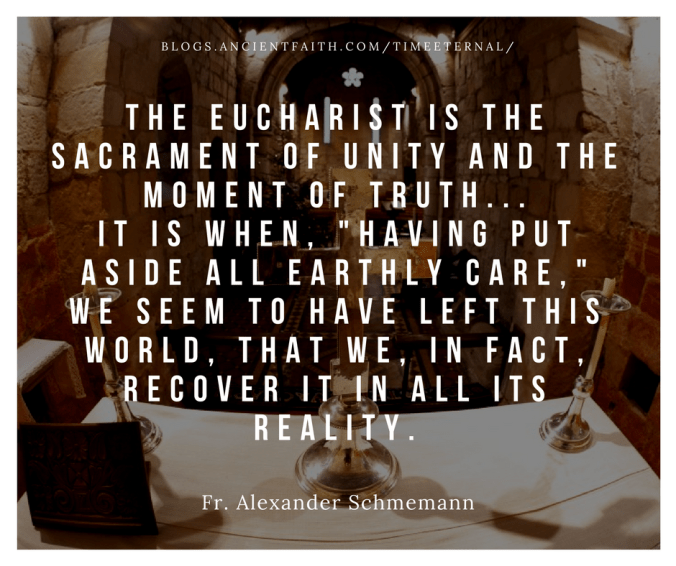
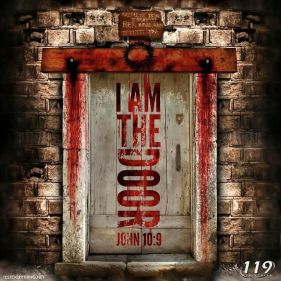 True, this is pivotal for religious people gathered together as the church. We are called to be a foretaste of when God sets the world right; we are a sacrament for the life of the world, extended through our practice of multi-sensory rituals such as communion and baptism, embedded in the ongoing story of redemption tracing back to Passover and walking through the Jordan into the promised land. Our past identity and future vision of hope directs our rehearsing—for truth, justice, beauty, and healing—in the present. Ceremony is central to it all, orbiting around God-become-man in the Christ, and climaxing with the bloody cross.
 But, there is a
  Bringing these meandering thoughts to a close, “
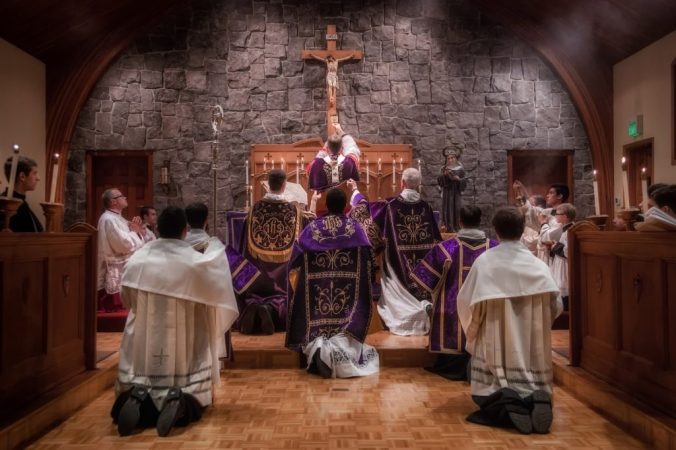
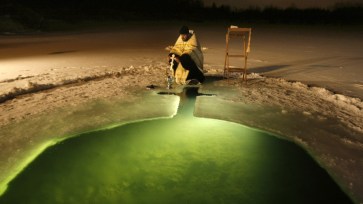 In our first cycle for 2020—“For the Life of the World“–we discover the difference it makes to realise God’s presence pulsating through all things. (Share page:


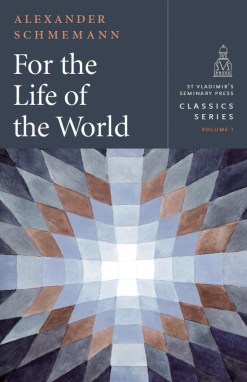



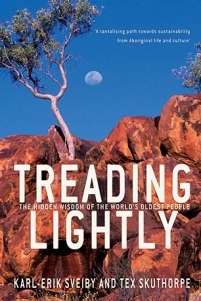
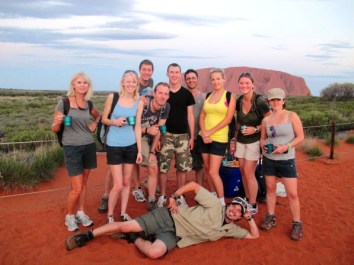


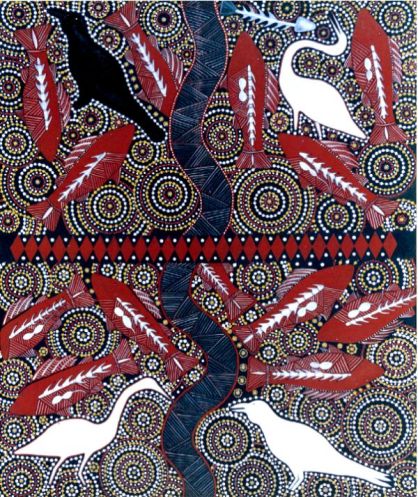 Christ’s Pieces pillar, Noel Payne, is the driving force behind this series. He first discovered this book,
  As we journey through this series, you may find the following sites and sources helpful to deepen your understanding:

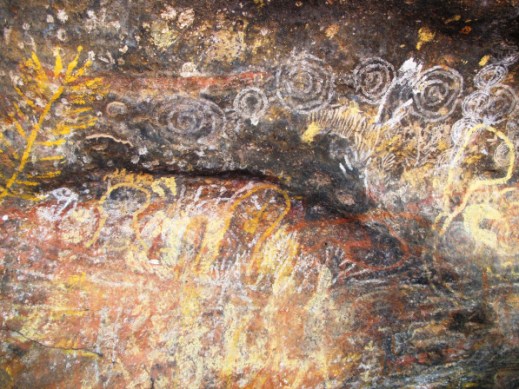 September 12 | TL II,


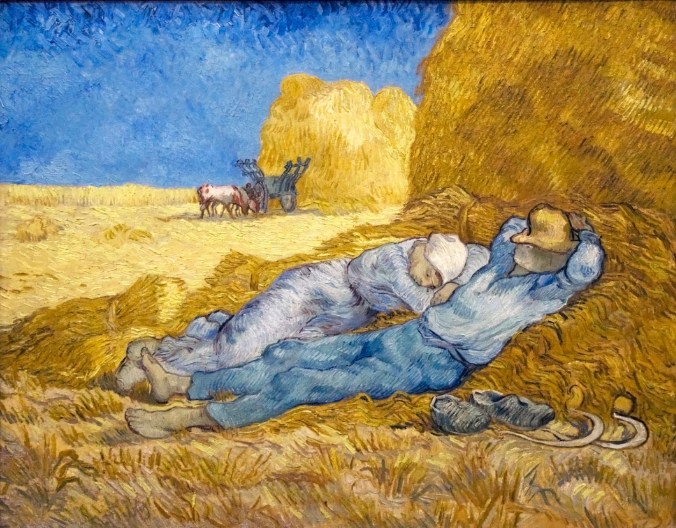


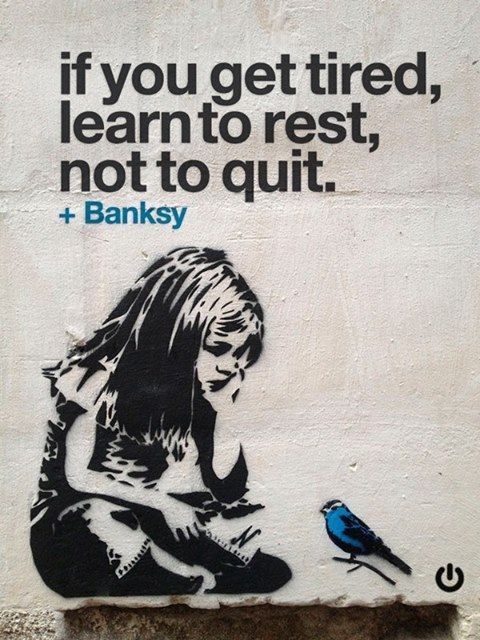

 Sabbath involves four key elements:
 Here’s a bit more on the subject: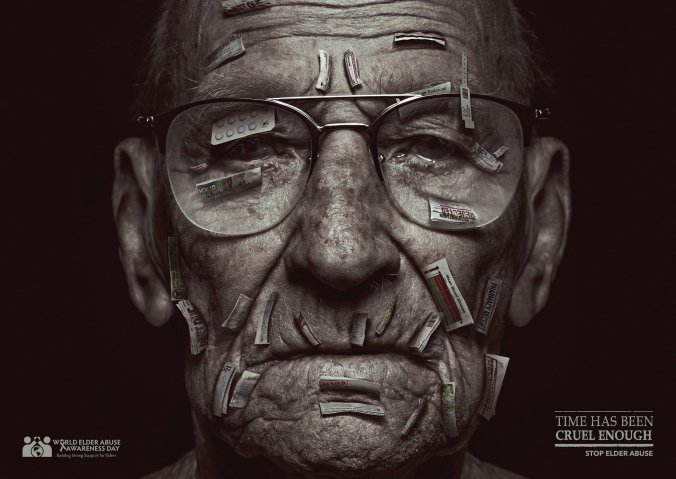
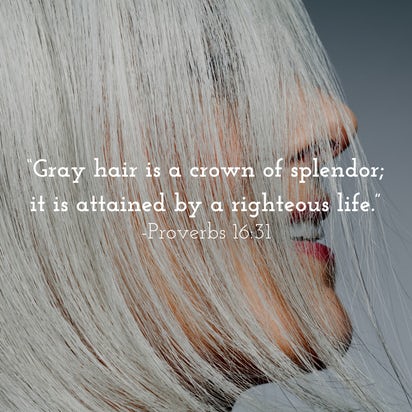 If a “hoary head” isn’t your thing, then perhaps this modern rendering says it best: “Silver hair is a beautiful crown found in a righteous life” (Proverbs 16:31).
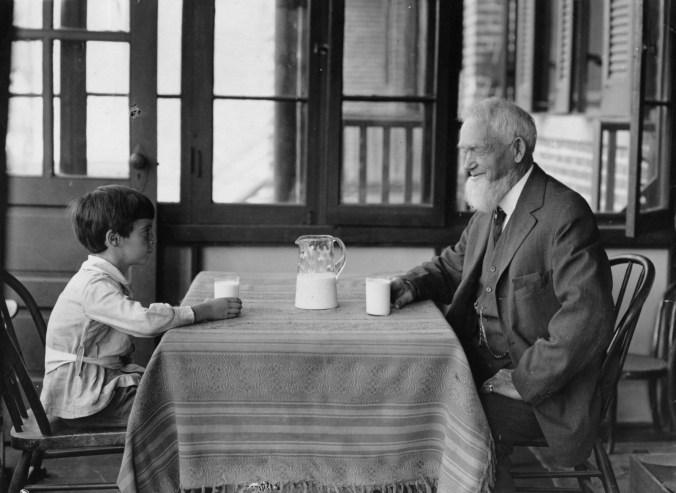 I’m looking forward to hearing your stories as we gather for this open table. In the spirit of vulnerability and priming the pump, here is a foretaste of what I hope to share, about my favourite ‘wise elder’, who was ‘promoted to glory’ more than a few years ago. It’s a reflection I first wrote as the preface to my Nanna’s poetry collection, later published as a blog on
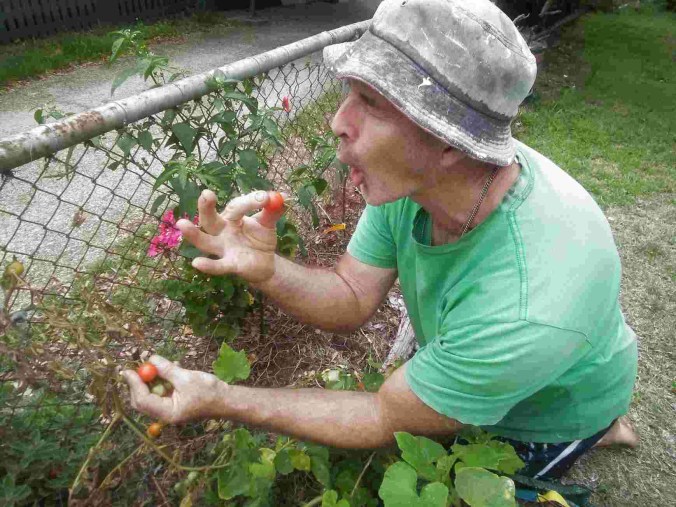
 Recently I was jogging through Noosa National Park with a Canadian friend, pointing out the great diversity and character in the surrounding trees. In place of uniform stands of pines were paperbarks and gnarled gumtrees. Nanna quickly came to mind. Trees like these were features in many of her paintings, and her poems. Nanna loved nature. She used to tell tales of fairies in the garden, replete with intricate details of what each would wear and how they would move. The banksia bush had a larger-than-life personality in her imagination. At the least opportune time—like when picking me up from a friend’s place—Nanna would quietly slip out of the conversation, leaving us all wondering where she’d gone. After looking around, we would find Nanna on her knees, crawling through the garden bed. She was scraping off bits of bark from the base of a gumtree—“It’s for my bark paintings,” she explained. For Nanna, this was normal.
 Perhaps in the title to her final collection of poems we can find the answer: Rainbows in the Tears. For when love looks through tears of pain, a vision of hope will emerge.
 Nell was known as a woman of faith. But this was not “faith in faith” or some subjective impulse to trust beyond reason. Not at all. Instead, my Nanna trusted in the one true God, who was able to take the worst suffering, and the greatest injustice, and turn it into new grace and hope for all humanity. At the Bible’s climax we see God Himself in the person of Jesus, left high and dry as He opened His arms to embrace a world gone awry. Love is cruciform. And love is passionate, where passion literally means to “suffer with.” So Nanna had faith in the God with scars. When Nanna looked through tear stained eyes at the resurrected Christ, she knew all her sad stories would one day come untrue. And the result was art fuelled by hope.
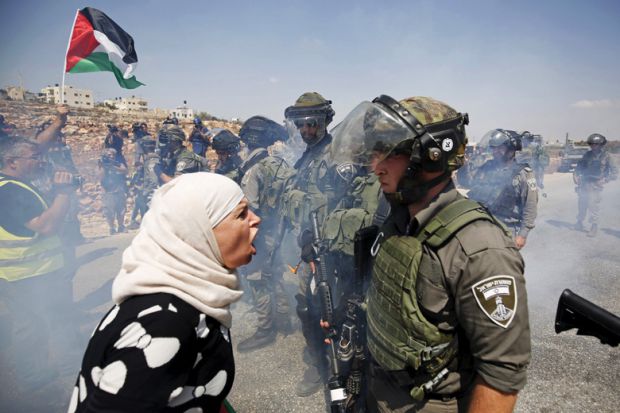 In our second cycle for 2019 (starting Thursday 23rd May), we stare a half-century long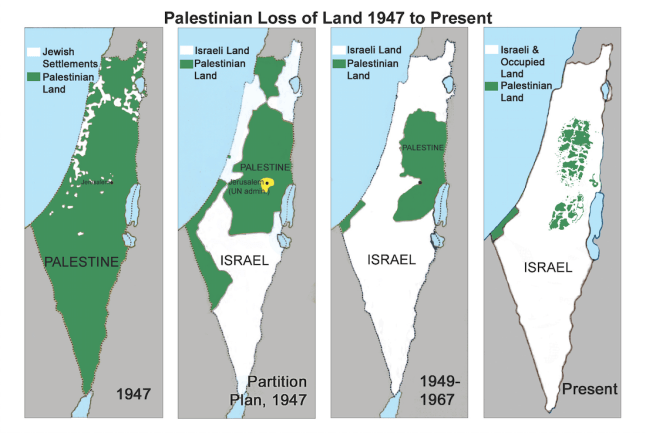


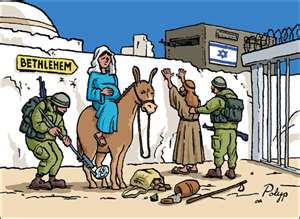 At another level, it behooves any Christian who claims to follow the
 And yet, a growing number of
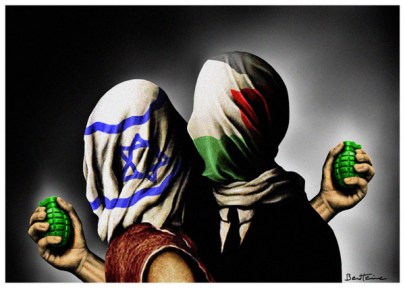 How, then, can we take sides when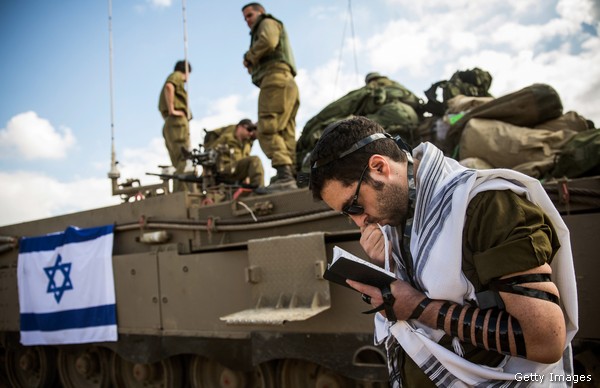
 Over four fortnightly sessions starting Thursday 23rd May (schedule below), editors

 Clearly, this book amplifies the less heard voice of Palestinian Christians. This shouldn’t, however, be taken as a one-eyed view of the world. No less a scholar than Old Testament Professor and former theological chair for the evangelical Lausanne global evangelisation movement, Dr. Chris Wright, offers
  Ultimately this is not about choosing sides. Whatever our view, we need to skirt both the Scylla of supercessionism (where Israel is replaced by the church and is ignored in the rest of the Bible) and the Charybdis of unthinking Christian Zionism (where the modern and largely secular nation-state of Israel is conflated with the ancient ethnic group of Jews, thereby baptising all they do and offering unconditional support to their possession of modern territory that unethically displaces and harasses Palestinians).
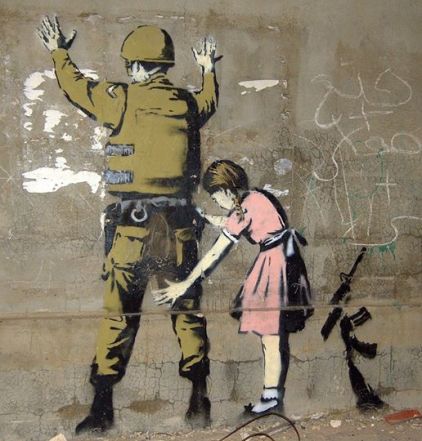 Over 4 Thursday sessions (May 23 – July 4) at Andrew and Liz Nichols’ house (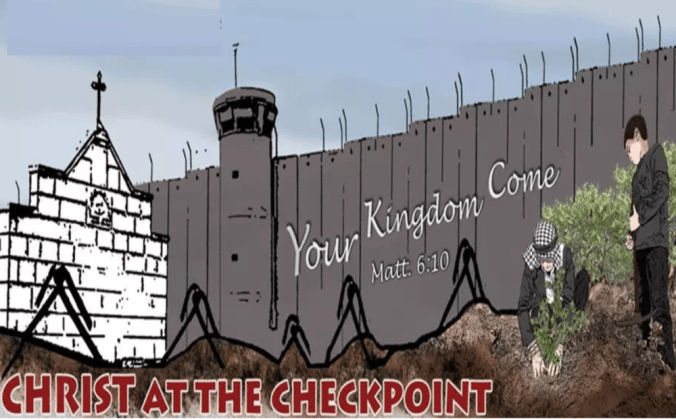

 +++
+++


 Christ's Pieces